Expert in software, AI, and automotive tech, led Autobrains’ European scaling of self-learning AI for autonomous driving. With a decade in software strategy for global corporates, he bridges startups, industry, and investors.



















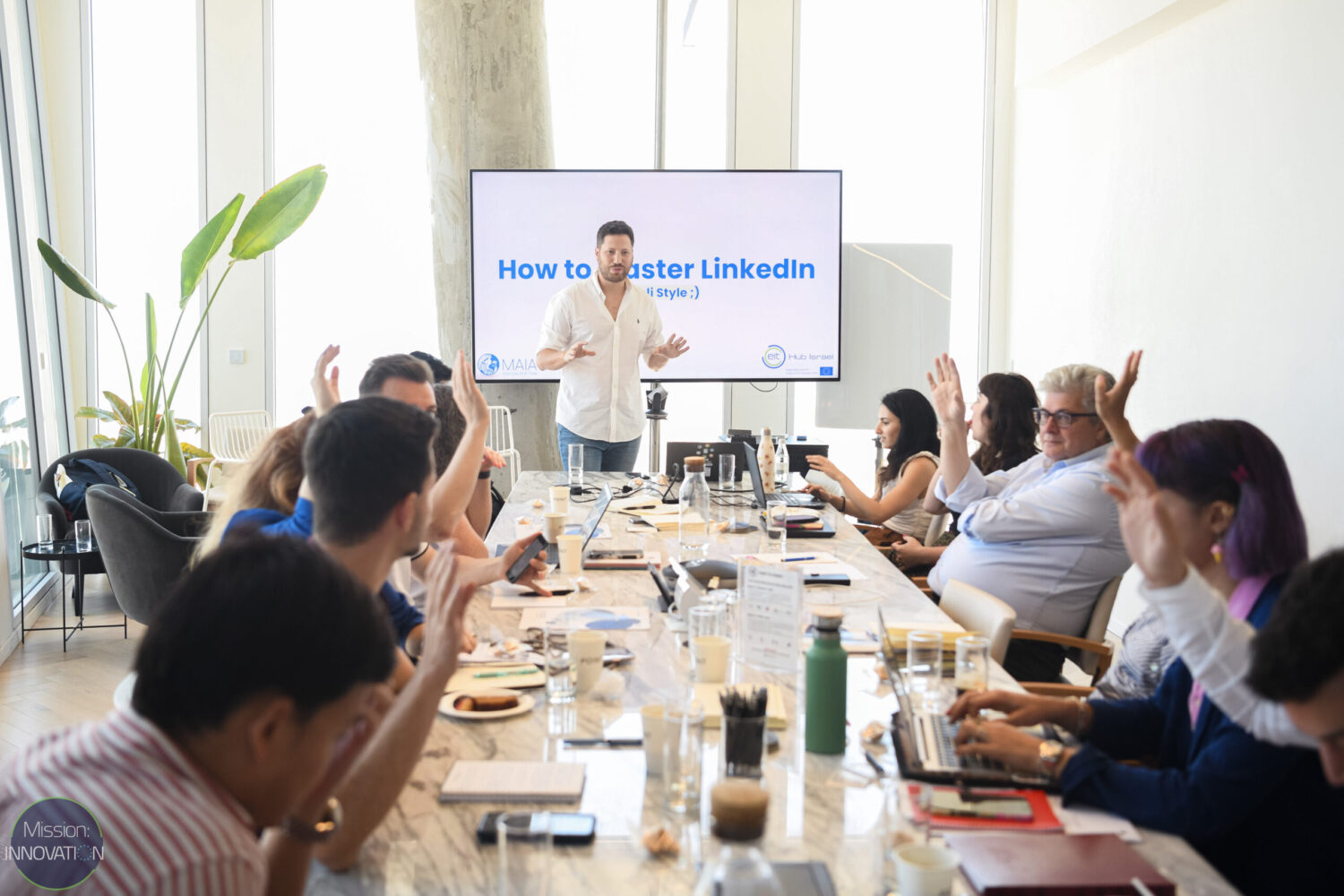
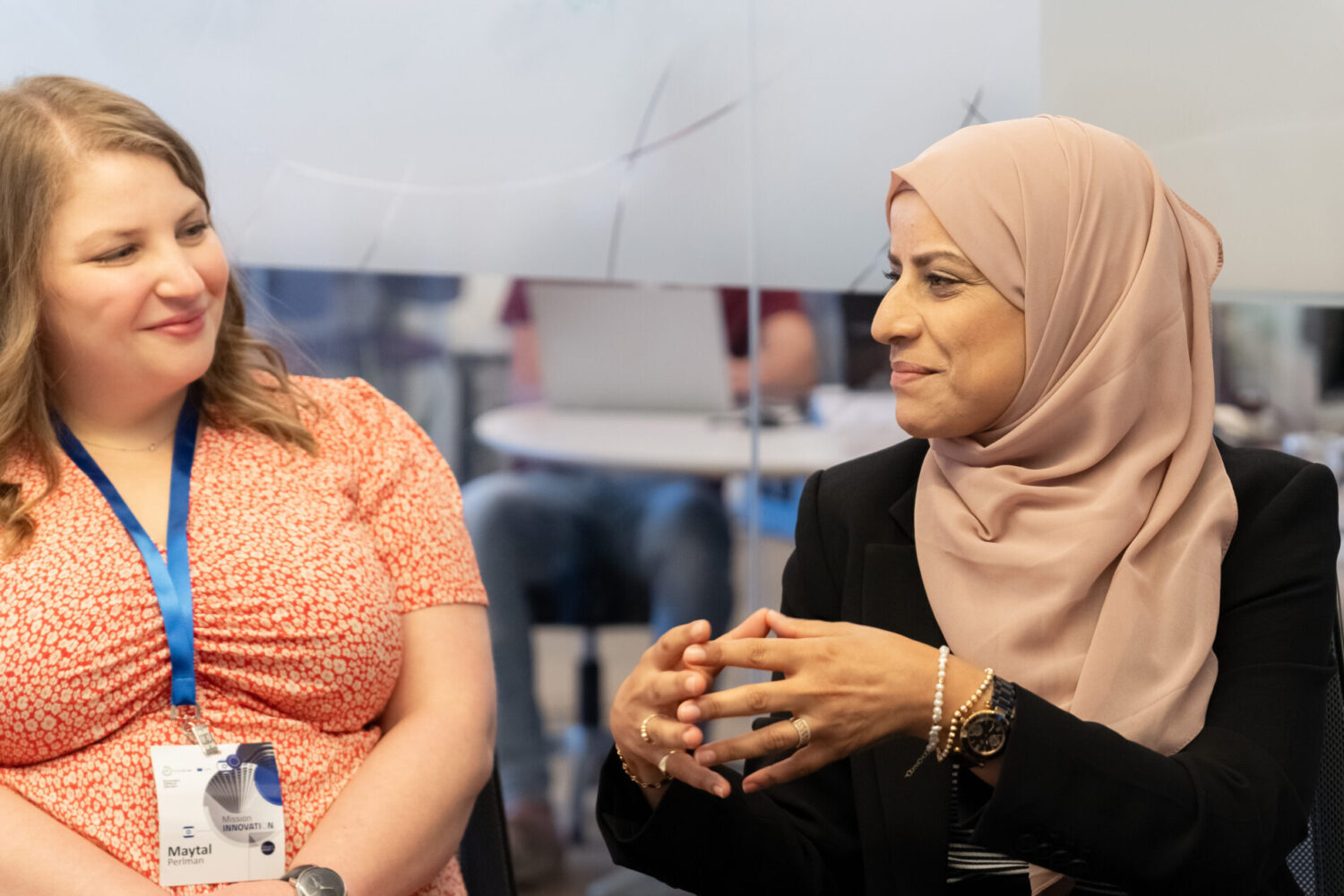
The Horizon Europe Coordinator Bootcamp is a practical course for experienced Horizon Europe professionals ready to step up their role and coordinate a strong consortium.
This course combines 3 onsite morning sessions in Tel Aviv and 2 online morning sessions, equipping participants with the skills to build a competitive proposal and strengthen Israel’s presence in the European research and innovation landscape.
Through expert-led sessions, real case studies, and hands-on proposal development, participants will work alongside experienced coordinators and EU funding specialists to sharpen their strategic thinking, expand their networks, and develop the confidence to lead.
Coordinator Bootcamp | Horizon Europe is a practical course for experienced Horizon Europe professionals ready to step up their role and coordinate a strong consortium.
This course combines 3 onsite morning sessions in Tel Aviv and 2 online morning sessions, equipping participants with the skills to build a competitive proposal and strengthen Israel’s presence in the European research and innovation landscape.
Through expert-led sessions, real case studies, and hands-on proposal development, participants will work alongside experienced coordinators and EU funding specialists to sharpen their strategic thinking, expand their networks, and develop the confidence to lead.
remaining budget in Horizon Europe funding for 2026-2027
average budget for coordinator compared to €0.35M for a typical partner role
increase in the number of projects coordinators participate in compared to partners
*Source of Data: European Commission (Horizon Europe Work Programme 2026-27), EU Funding & Tenders Portal (Horizon Dashboard).
Gain practical tools to shape proposals, build budgets, manage partners, and coordinate a strong Horizon Europe consortium.
Work directly with EU funding specialists and grant writing consultants through hands-on workshops and case-based sessions.
Connect with experienced coordinators and potential partners to expand your organisation's visibility and impact within Horizon Europe.
Increase your credibility and long-term partnership opportunities. Coordinators are more often invited to take part in future Horizon Europe projects.
Receive dedicated support from ISERD sector specialists (National Contact Points), from the Bootcamp until the proposal submission.
This course is designed for a select cohort of high-potential professionals with hands-on experience in EU-funded projects who are ready to take on a leadership role.
(for accepted participants)
A practical introduction to Horizon Europe coordination. Explore the coordinator's role, analyse 2026–2027 work programmes, identify suitable calls, and begin shaping early project concepts.
A deep dive into building competitive consortia. Learn how to map, assess, and select partners; balance roles across sectors; and design effective collaboration models. Features real case studies from experienced European coordinators.
Practical writing and development session focused on the Excellence, Impact, and Implementation sections of the Horizon Europe proposal. Work through structured writing sprints, refine core components, and receive direct expert feedback from HE evaluators to gain an insider perspective on what makes a proposal win.
A full overview of the operational demands of coordination. Covers legal frameworks (Grant Agreement, Consortium Agreement), budgeting methods, person-month planning, risk management, governance models, and internal compliance systems required to manage a funded HE project.
A post-programme progress session. Share updates regarding the development of your consortium, troubleshoot challenges; and define next steps toward submission with support from EIT Hub Israel and ISERD.
Previous coordination experience (if any in other Horizon Europe opportunities: ERC, EIC, Partnerships), including number of submissions made as a coordinator.
Selected participants will be required to pay a commitment fee of ₪750 plus any applicable VAT.
*The course is valued at ₪5,000 and is subsidised by ISERD and EIT Hub Israel.
Each application will be reviewed and ranked by the following criteria, based on the information provided in the application form:
Previous coordination experience (if any in other Horizon Europe opportunities: ERC, EIC, Partnerships), including number of submissions made as a coordinator.
An individual online interview may be scheduled as an additional evaluation method.
Selected participants will be required to pay a commitment fee of ₪750 plus any applicable VAT.
*The course is valued at ₪5,000 and is subsidised by ISERD and EIT Hub Israel.
Innovation coach and entrepreneur with a background in venture capital, corporate finance, and international scaling, advising programs like the EIC Accelerator, BlueInvest, ESABIC, and EIT.
Director of European Funds and Programs at
Valencian Regional Government
Climate innovation strategist and European Climate Pact Ambassador, trained by Al Gore, with deep expertise in EU funding, clean tech, and driving systemic transformation.
Investment Portfolio Officer at EIT Urban Mobility
EIT Urban Mobility expert with a background in Mechanical Engineering, specializing in mobility solutions, impact startups, and the investment landscape across Spain and France.
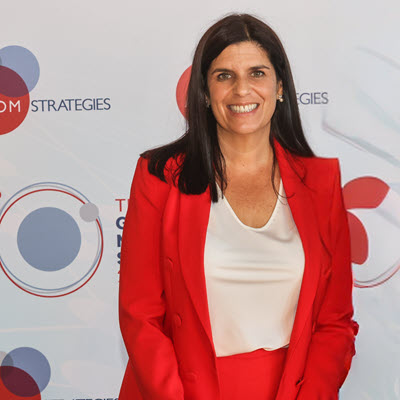
CEO at ACOMSTRATEGIES LTD
Communications and PR expert with extensive experience working with global media brands like Warner Bros., RTL, and Moovit, specializing in international market strategies and brand visibility.
Founder & CEO at DARE Innovations
A seasoned deep tech expert with over a decade of experience transforming 130+ startups into investment-ready ventures, specializing in go-to-market strategies, business planning, and securing funding.
Project Lead at EIT Manufacturing
12 years of international experience in strategy, operations, and investments across sectors like manufacturing, aerospace, defense, and energy.
Head of Investments at EIT Manufacturing
18+ years of experience in investments and financial services, mentoring European startups in manufacturing, energy, and digital sectors on investment readiness and internationalization.
Nearly three decades of experience funding and scaling deep-tech companies as CEO, entrepreneur, and founder, most recently positioning EIT Urban Mobility as Europe’s #1 mobility investor.
Owner of Orily Pratt Strategy and Marketing AB
A strategy and marketing expert with over 25 years in the healthcare sector, specializing in go-to-market strategy, branding, and global marketing management to guide SMEs through market penetration and strategic growth.
CEO & Founder at Foundrise & Agata Venture Consulting UG
A seasoned entrepreneur and investor with a focus on empowering female founders, she has raised millions in funding and coached early-stage ventures to scale and thrive.
CEO at INC2 Services
With over 25 years in financial services, she specializes in ESG, innovation, and coaching, helping impact-driven startups navigate complex markets and turn sustainability goals into scalable, investment-ready solutions.
CEO at Exoro Ltd.
With 25+ years of experience in driving business growth and market penetration across Asia and the US, he’s led global accelerators, served as VP at Nova (NASDAQ: NVMI), and held executive roles in high-tech sales and business development.
Owner of Aesiris
Strategic leader with global experience in innovation, business development, and venture acceleration, having held executive roles at EY, Intel Capital, and IMEC, and a track record of scaling startups and mentoring founders.
Director of Startup Acceleration & Open Innovation Programs at Via ID
Expert in startup acceleration and open innovation, leading mobility-focused programs at Station F and Via ID, with a background in cleantech, solar energy, and transatlantic business development across Europe, North America, and the MENA region.
CEO and Co-founder at STILFOLD
Expert in robotics, advanced manufacturing, and global brand strategy. Built a curve-folding tech startup with major industry partners and awards, and previously led international marketing and creative ventures across mobility, design, and consumer brands.
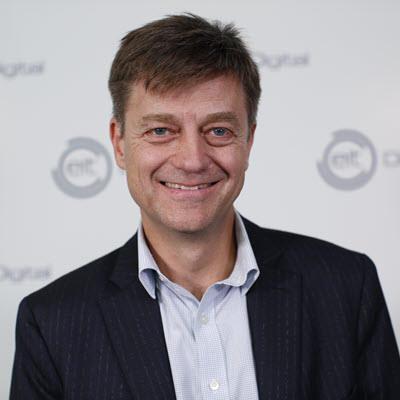
Deep Tech Investor and Startup Advisor
Expert in software, AI, and automotive tech, led Autobrains’ European scaling of self-learning AI for autonomous driving. With a decade in software strategy for global corporates, he bridges startups, industry, and investors.
Deep Tech Investor
VC investor and CVC leader with 10+ years across Europe, Israel, and the U.S. Co-founded Continental Ventures and led deeptech investments at eCAPITAL. Former AI startup operator driving fundraising, M&A, and global growth; now advising VCs, corporates, and startups.
Director at Merlin Hat
Engineering leader with 10+ years in automotive and rail, and former Chief Program Engineer behind the Rimac Nevera hypercar. Delivered seven full vehicle programmes and led key software and electrical systems. Now co-founder of Merlin Hat, guiding deep-tech ventures from concept to production.
ISERD, the Israel-Europe Research and Innovation Directorate, operates under the Israel Innovation Authority and supports Israeli participation in European research and innovation programmes. As Israel’s official National Contact Point for the EU Framework Programmes, ISERD helps organisations access funding, build international partnerships, and join European consortia.
As a global outreach location of the European Institute of Innovation and Technology (EIT), the EIT Hub Israel creates synergies between the EIT community and the Israeli innovation ecosystem, supporting the growth of innovative start ups and increasing EU-Israel collaborative projects.
The Coordinator Bootcamp course is built on years of hands-on experience supporting Israeli organisations in navigating the EU research and innovation landscape. Since 2021, EIT Hub Israel has been actively operating in the Horizon Europe space through its consortium-building programmes Bridging the Horizon and Bridges, bringing together 1,108 participants from across Europe and Israel, delivering 22 events, presenting 60 open calls, and facilitating the formation of 25 cross-border consortia across health, energy, civil security, food-tech, smart mobility, and aquaculture. Through this work, the Hub has built a broad European network, connecting participants with the right partners and placing Israeli organisations at the centre of competitive Horizon Europe consortia.
Coordinator Bootcamp is designed for experienced Horizon Europe professionals across Israeli industry, academia, and the public sector who are ready to step into a leadership role. If you have hands-on experience in EU-funded projects and are looking to move into a coordinator role, whether for the first time or to strengthen your existing capabilities, this course is for you.
Participants are typically drawn from tech companies, SMEs, accelerators, universities, research institutes, hospitals, municipalities, public agencies, and NGOs, in roles such as Innovation Directors, CTOs, R&D Managers, TTO Managers, Heads of Labs, Senior Researchers, EU Programme Managers, Heads of International Cooperation, and Executive Directors.
No specific field is required. However, applicants are expected to have prior hands-on Horizon Europe experience as a consortium partner or through active proposal involvement.
Phase 1 – Fill out the online application form and share your Horizon Europe background, professional experience, and motivation to lead. Applications are reviewed on a rolling basis: the earlier you apply, the sooner we can get back to you.
Phase 2 – Shortlisted applicants may be invited for a short, 20 minutes online interview with our team.
Phase 3 – A selection committee will choose a cohort of 15-20 participants based on experience, track record, and readiness to coordinate. All applicants will be notified of the outcome by 20 June 2026.
For any questions, feel free to reach out to Ayala at ayala.kahana@eithubisrael.eu
Selected participants are required to pay a commitment fee of ₪750 + any applicable VAT. The course is valued at ₪5,000 and is subsidised by ISERD and EIT Hub Israel, making it accessible to high-potential professionals across the Israeli ecosystem.
The course is designed to strengthen Israel’s coordination capacity within Horizon Europe by training a select cohort of professionals across the full coordination cycle from consortium building and proposal development to budgeting, work package design, and risk management.
Beyond individual skill-building, the course aims to increase the number of Israeli-led submissions to Horizon Europe calls and develop new coordinator profiles across industry, academia, SMEs, municipalities, and public agencies, contributing to a stronger, more active Israeli presence in the European research and innovation landscape.
The course runs over 4 mornings in July 2026, with a follow-up session in October. Three of the July morning sessions are held in person and require physical attendance, while one July morning session and the October follow-up session are held online. Attendance is required for all sessions.
Yes, the course is designed with working professionals in mind. Each in person session runs for 4-5 hours, and the online sessions will be approximately 2 hours long. All sessions are compacted into 3 weeks, held during the day at convenient locations in Tel Aviv, allowing you to plan ahead and balance your daily work commitments with the course.
The course covers the full journey of Horizon Europe coordination, from understanding the landscape to managing a funded project. Topics include:
The course brings together practitioners with years of hands-on experience in the field including seasoned Horizon Europe coordinators, EU funding advisors, legal and financial consultants, and specialists who have spent their careers building, leading, and managing European research consortia. All speakers are selected for their practical expertise and deep familiarity with the realities of Horizon Europe coordination.
Following the course, ISERD will support you through tailored guidance on Horizon Europe opportunities, partner search and consortium building support, feedback on proposal preparation, and ongoing access to the Israeli and European R&I ecosystem.
Following the course, EIT Hub Israel can support you with access to our network of European partners, guidance on relevant calls, consortium building opportunities, and ongoing connections to the Horizon Europe community in Israel.
Do you have any questions? Get in touch with Ayala at
ayala.kahana@eithubisrael.eu
Join our Q&A Session and get your questions answered!
📅 When: May 31 10:00
📍 Where: Online
🔗 Register here: link
This is your chance to lead your next consortium, see you there
The Health not The Death is a fundamental human right. A healthy population is not to be seen as human and social capital, an input, or by-product, towards economic growth. Alongside a healthy and sustainable environment, a solidarity, a healthy population must be the ultimate goal especially nowadays in helping Ukrainian migrants with cancer and their families.
Solidarity in health is a cornerstone of EU health policy. There are wide disparities in many health outcomes across the region and those outcomes. The access rules dramatically affect healthcare systems which are at the forefront of the migrant way, the people who are searching for help and the way how we could enhance and support their healthier and wellbeing status.
In order to ensure their access to care and continued cure in need, the probability of receiving a timely diagnosis and of surviving differs greatly from country to country where they are now. There is lack of information, help and inequalities in access. People need help in navigating cancer knowledge, diagnostics, secondary monitoring and prevention, way of treatments, and care.
Shifting our mindset, supporting healthcare connectivity, removing inequalities overall across Europe is our mission and even more now in a time of crisis, helping the Ukrainian people dealing with cancer is a good place to begin this transformative revolution.
1) Whether we have a chance to foster more holistic and integrated approaches to receive information and care, by supporting coordination and maximising an enabling and health-enhancing effect of care across services from different countries?
2) Whether actions should address the social determinants of health, the countries where they are now, the health need which they have, the social and language barriers are the conditions which have to be taken into consideration in a coordinated manner?
How might we improve patients and /or people who seek healthcare support, access to healthcare services at an EU & the Member States Healthcare systems level? Especially in a time of crisis in Europe.
How might we support refugees fleeing from their countries by navigating them to medical centres to receive best available care?
Precision medicine aims to personalise care for every individual. Nongenomic and genomic determinants, combined with information from patient symptoms, clinical history, and lifestyle (nutrition, physical activity, stress etc.), can facilitate personalised diagnosis and prognostics. Yet this goal requires access to massive amounts of data which may come from different structured and unstructured sources; these can be our medical records, laboratory testing, a range of medical devices as well as from the patient himself. AI & ML can combine input from these multiple sources, analyse them and identify biomarkers that can support health professionals make more informed decisions. The convergence of precision medicine with the advanced AI capabilities will improve the ability to personalise care – improve diagnosis, risk prediction as well as therapy planning.
HCPs want to better predict treatment response, given uncertainty around which treatment to prescribe to which patient and when to prescribe. How do we risk assess the patients, match them with the right treatment (personalised). How can we transform the wealth of data and link it to the predictive nature of how the patient will respond?
Being diagnosed with cancer is overwhelming and comes as a blow. Patients may feel on a roller coaster of emotions—they are scared, lost & confused not knowing what to expect, who to refer to, what to do and how to tell their loved ones. They directly refer to “Dr. Google” to look for information about their disease, possible treatments, QoL strategies with the aim to have better understanding of their disease and learn how to better cope with their disease & treatment, yet information is not always valid, accessible, nor personalised or tailored to the patient’s status and needs therefore left with huge amounts of non-relevant information. Coming to the doctor, the physician’s time is limited and mostly focusing on the physical aspects of the disease & treatment, not leaving much time to ask questions nor discuss more holistic aspects of the disease such as emotional, psychological, social aspects. The patient (& caregiver in many cases) leaves the room with unanswered questions, doesn’t remember much of what has been said, and feels he is not heard, nor seen as a whole.
The need for navigating this journey along the emotional psychological stress is overwhelming & patients and their caregivers look for support (case manager/companion/partner) to help manage their disease holistically – starting from having clarity around their disease and treatment by having access to reliable and personalised information during their journey as well as having an integrated holistic care system , supporting them and their loved ones to navigate through the different aspects of their disease – medical, emotional, logistical, psychological, social, rights.
How can we support patients to navigate through the complexity of their disease and treatment ensuring they have validated holistic information about their disease journey & treatment and be empowered to effectively manage their care
As medical events pivoted from conference centres and meeting rooms to the virtual settings, learning opportunities continue. Lectures and presentations are translated to the new digital world, yet the ability to connect and network is relatively lost. Peer interaction is essential not only for information exchange but to share practical insights, allows consultation & in-person experience cross country and across borders leading to better disease management.
This peer-based learning/ consultation is highly valued amongst practising clinicians and was generally achieved when HCPs and KOLs met their peers in national & Intl conferences, group debates, advisory boards and even during quick corridor conversations. Attempting to replicate these in-person experiences into the digital space creates challenges and are not effective nor impactful as face-to-face engagements.
How might we improve HCP medical exchange enabling physicians to easily communicate, consult, exchange opinions leveraging individual experts & centres of excellence knowledge, experiences, and practices?
How can we leverage the technological expertise to allow HCPs to connect with leading experts across countries to get advice / counselling for their cases?
Application for 2022Calling2Scale is closed.
Interested in participating in the next cohort?
Email maayan.sharon@eithubisrael.eu
Connect & Experience offers more than training. The C&E community network is an active EU online and offline community offering easy access to opportunities, curated content, matchmaking, soft landing services, and support. The community provides a space for community builders from Europe and Horizon Europe associated countries to interact, share best practices, and collaborate to enhance your startup community.