







Calling2Scale Gunma invites EU-based startups to provide solutions to pressing business challenges sourced directly from leading Japanese corporates. Selected startups will receive:
 Japan market entry training Targeted matchmaking with Japanese corporates On-site visits and pitching opportunities in Gunma Expert support & mentorship
Scroll down and meet the corporates’ innovation challenges >>


















We are looking for advanced assistive devices and hardware. that can help promote recovery and improvement among patients in need of care or rehabilitation. Solutions combining physical support with motivational or emotional elements such as encouragement, feedback, or mental wellness are of interest, especially when integrated with automation or electrification. Relevant technologies include biometric sensing, AI-driven personalisation, gestures or voice interfaces, wearable devices, and behavioral analytics, as examples only.
2.How can we tackle the shortage of caregiving personnel by creating smart and cost-effective technologies that improve operational efficiency and support daily care for elderly populations?
We seek technologies that improve caregiving efficiency and reduce workforce strain through smart, cost-effective automation. Examples include motorised mobility aids, startups that have strong capabilities in mechanical and hardware-related areas. IoT-based monitoring systems, adaptive ECUs, AI-driven task support, and safety-focused automation for care environments, among others.
Company Profile
Founded in 1946 in Kiryu, Japan, Mitsuba Corporation is a global manufacturer of advanced automotive components, with leading market positions in motorcycle starter motors, in-vehicle motors, and windshield wipers. With R&D centers in Japan and overseas, Mitsuba is expanding into environmental technologies and healthcare, focusing on innovation that enhances safety, comfort, and quality of life. The company also focuses on environmental technology and the EV field, and is expanding its business globally.
Unique Value Proposition
Mitsuba operates a dedicated open innovation unit and has a proven track record of successful collaborations with startups. The company is deeply committed to co-creation, offering access to its technical expertise, development infrastructure, and global network to bring new ideas to market. Startups benefit from a trusted industrial partner focused on building impactful, real-world solutions across mobility and healthcare sectors.
Focus & Objectives
As part of our mission to provide “safety, comfort, and peace of mind” in healthcare, we aim to contribute to a future where users can receive seamless support, regardless of location or method, across fitness, rehabilitation, and elderly care. In such a society, automated technologies used in living environments, healthcare facilities, and mobility services will be expected to offer similar levels of safety and comfort. We strive to deliver this value across all related domains.
Startups’ Maturity Level Preferred: Open to all stages

1. How might we transform manufacturing waste streams such as PET films, sludge, waste oil, and metal scrap, into valuable products through recycling or upcycling, while efficiently extracting some materials from E-waste such as electronic components?
We are seeking innovative technologies that enable circular use of manufacturing by-products and recovery of critical materials. Relevant approaches include advanced material separation, chemical and mechanical recycling, hydrometallurgy, and biological or thermal treatments to maximise sustainability and resource efficiency.
2. How can we capture and utilise CO₂ or waste heat in ceramic firing processes to minimise environmental footprint?
Preferred solutions focus on integrating advanced heat recovery technologies like regenerative burners and thermoelectric generators, combined with high-performance thermal insulation to optimise energy use in ceramic firing. Additionally, novel carbon capture methods adapted to high-temperature industrial processes are sought to ensure minimal emissions without compromising production efficiency. Emphasis is placed on scalable, cost-effective systems that can be smoothly incorporated into existing manufacturing lines.
3. How might we accelerate the commercialisation of next-generation clean energy technologies, Metal Supported-Solid Oxide Fuel Cell (MS-SOFC) and SOEC, by developing full operational systems?
Development efforts should prioritise efficient energy systems that leverage MS-SOFC and SOEC. This includes system packaging and smart power management.
Company Profile
Founded in 1950, Taiyo yuden is a global manufacturer of electronic components, specialising in capacitors, inductors, and high-frequency devices such as FBAR/SAW filters. Its flagship product, the multilayer ceramic capacitor (MLCC), plays a vital yet hidden role in powering smartphones, automobiles, and a wide range of electronic devices. The company’s core strengths lie in its proprietary material and lamination technologies, including in-house raw material development and the production of ultra-compact, high-capacity components with over 1,000 laminated layers.
Unique Value Proposition
Taiyo Yuden operates an active open innovation unit and is committed to partnering with startups to drive co-creation and tackle real-world challenges. With deep expertise in raw material transformation, advanced manufacturing, and sustainability, the company offers a strong platform for joint development. Startups can leverage the company’s global distribution network, technical know-how, and dedication to environmental responsibility to scale innovations.
Focus & Objectives
We are engaged in the research, development, production, and sales of various electronic components. As a manufacturer using ceramics with a significant environmental footprint, we have a strong awareness of environmental challenges, such as manufacturing waste (PET films, sludge, waste oil, and metal scrap), E-waste (especially extracting rare-earth elements), CO₂ emission, and waste heat. Promoting the sustainable use of resources and transforming them into valuable products are key efforts towards advancing a circular economy.
Startups’ Maturity Level Preferred: 1+2 challenges – mature, 3 challenge – early stage and mature.

1.How might we develop advanced functional textiles that incorporate innovative materials (films, powders, etc.) to address ESG challenges such as environmental sustainability, energy efficiency, disaster prevention, and healthcare solutions?
Integrating functional materials into textiles opens new pathways for addressing critical global issues. Startups working with smart coatings, energy-responsive compounds, or environmentally adaptive materials can contribute to the development of textiles that support public health, reduce environmental impact, and enhance resilience in disaster-prone settings. These solutions may include fabrics with self-cleaning or antimicrobial properties, textiles that regulate temperature or capture energy, and materials designed to perform under extreme conditions, all aligned with pressing ESG priorities.
2. Enhance textile innovation by adding advanced biological and environmental sensing functions, and integrating new fashion elements, physical or optical, to create high-end, cutting-edge products.
Advancing textile design with embedded sensing technologies and expressive physical or optical elements offers significant value for premium fashion and lifestyle markets. By fusing bio- and environmental sensors with high-aesthetic materials such as color-shifting fibers, reflective textures, or responsive surfaces, startups can create next-generation garments that are both intelligent and visually distinctive.
Company Profile
The Gunma Textile Technology Promotion Association represents approximately 60 textile-related companies from across the value chain spanning weaving (Western and Japanese traditional textiles), dyeing, knitting, lace, sewing, embroidery, and textile machinery. Supported by the Gunma Textile Research Institute, a public R&D and testing center founded in 1905, the association serves as a regional innovation hub. With in-house capabilities for product development, performance evaluation, and material transformation, Gunma offers a full ecosystem from traditional crafts like kimono and obi to high-performance, functional textiles used in modern applications.
Unique Value Proposition
The association has a dedicated innovation team that is both technically skilled and fully focused on supporting collaborative projects. This team can group several member companies around a shared technological challenge, forming working groups that pool resources and budgets to move projects forward efficiently. With access to research facilities for design, prototyping, and testing including biological performance testing for antibacterial or antiviral functionality, European startups can benefit from strong hands-on support and co-creation opportunities. Gunma provides a structured and responsive pathway to transform startup technologies into market-ready textile solutions.
Focus & Objectives
We aim to develop advanced functional textiles by incorporating innovative materials (films, powders, etc.) to address ESG challenges such as environmental sustainability, energy efficiency, disaster prevention, and healthcare solutions. To further enhance textile innovation, we plan to add advanced biological and environmental sensing functions. In addition, we will incorporate new fashion elements, physical or optical.
Startups’ Maturity Level Preferred: Early growth (post-seed, A)

1.Reducing doctor’s documentation time
This challenge aims to streamline the creation and management of medical documentation by automating data entry, generating first drafts of clinical records, insurance forms, and admission/discharge papers. The goal is to reduce the administrative burden on nurses and staff, minimiasing errors and saving time. It also includes improving patient communication by automatically generating clear, personalised explanatory materials, and enabling faster, more accurate compliance through simplified document submission to insurers and government bodies. A key aspect is structured data handling, using AI to extract, standardise, and format clinical information efficiently. Example technologies include intelligent clinical documentation assistants, automated coding tools, context-aware EHR interfaces, and integration platforms, though other innovative solutions are also welcome.
2.Improving automated SPD inventory tracking
Key goals include improving real-time tracking of medical supplies, reducing human error, and ensuring timely restocking to avoid shortages or waste. Solutions should enable smarter storage, efficient use of space, and accurate demand forecasting, while also supporting compliance and traceability. Technologies that may be relevant include RFID and barcode systems, IoT-enabled storage units, cloud-based inventory platforms, machine learning algorithms for automated replenishment, blockchain for secure supply chain records, and mobile dashboards for real-time monitoring, though other innovative approaches are also encouraged.
Company Profile
Kuribara Medical Equipment Store is a key player in Japan’s medical device distribution market and a core company within Medias Holdings Group, listed on the Tokyo Stock Exchange Prime. As the fifth-largest distributor nationwide and covering 70% of hospitals in eastern Japan, the company plays a central role in delivering medical technologies across the country. When combined with partner networks, Kuribara’s reach extends to nearly 100% of Japan’s major hospitals, enabling broad market access and strategic positioning for new healthcare solutions.
Unique Value Proposition
Kuribara operates an active open innovation unit that collaborates with startups to localise and scale healthcare technologies in the Japanese market. The company supports startups with access to KOLs, hospital introductions for PoC, and market validation through KPIs and field testing. Beyond validation, Kuribara offers tailored support in crafting sales strategies, navigating regulatory pathways (including PMDA coordination), and securing distribution and logistics nationwide. With deep market knowledge and a hands-on innovation team, Kurihara is a strong partner for startups seeking product-market fit and commercial success in Japan’s healthcare sector.
Focus & Objectives
We are committed to advancing hospital operations by seeking to develop two innovative solutions: one to automate inventory management for SPD services, and another to reduce documentation time for doctors and nurses. Together, these solutions aim to improve operational efficiency and enhance patient care.
Startups’ Maturity Level Preferred: A+/MVP

1. How can AI be leveraged to analyse OKI’s physical sensing data together with satellite imagery to provide accurate and timely disaster prediction information?
This challenge focuses on accelerating the use of key sensor data, primarily acceleration, image, GNSS, and water level gauge data to enhance earth observation and infrastructure monitoring. It involves leveraging big data analytics and AI/ML to extract actionable insights from diverse satellite data sources, including optics, infrared, SAR, and hyperspectral imaging. The goal is to develop secure, reliable solutions that support critical social infrastructure and promote sustainable societal development through advanced sensing, communication, and control technologies.
2. Optimising manufacturing plans especially for manual manufacturing processes, through AI analysis of data from OKI’s Manufacturing Support System (Projection Assembly System), HR data, and other relevant sources.
This challenge centers on optimising manufacturing processes by leveraging AI-driven technologies to predict maintenance needs, improve real-time operations, and enhance production scheduling. Utilising edge AI enables immediate data processing on-site for faster decision-making, while reinforcement learning supports adaptive, efficient scheduling. These approaches aim to boost productivity, reduce downtime, and create more flexible, resilient manufacturing systems.
Company Profile
OKI is a leading technology company engaged in the development and distribution of products, software, and solutions across public infrastructure, enterprise systems, component products, and EMS services. With a strong foundation in sensing, communication, and control technologies, OKI plays a key role in supporting critical social infrastructure ranging from transportation and disaster response to secure IT systems, contributing to the resilience and sustainable development of modern society.
Unique Value Proposition
OKI operates an active open innovation unit focused on co-developing solutions with startups that address real-world challenges in infrastructure and technology. The company offers access to in-house technical expertise, real-life deployment environments, and a dedicated beta testing site to validate solutions in a controlled yet practical setting. Startups also benefit from OKI’s extensive experience in mission-critical systems and its ability to support development from concept to commercialisation. With its strong commitment to collaborative innovation and secure, scalable technologies, OKI provides a robust platform for startups entering the Japanese and global markets.
Focus & Objectives
We plan to provide disaster prediction information by AI analysis using OKI physical sensing data and satellite image data of the earth’s surface. On another plan we are optimising manufacturing plan, especially manual manufacturing process by AI analysis using OKI manufacturing support system(Projection Assembly System) data and HR data etc.
Startups’ Maturity Level Preferred: Open to all stages
1. How might we create novel, high-performance cosmetic materials such as advanced pigments, waxes, oils, and coating agents, that meet EU regulatory standards while delivering unique textures and value?
With the growing market and expanding applications of pen-type cosmetics, there is increasing demand for high-quality products. Since these items come into direct contact with the skin, strict safety, hygiene, and regulatory requirements apply, creating challenges for commercialisation. To meet customer needs and navigate these constraints, ongoing innovation in materials, processes, manufacturing methods, and packaging is essential alongside established pen-type product technologies. Examples include bio-based safe materials, precision filling techniques, antimicrobial coatings, and recyclable or refillable containers.
2. How can we reinvent cosmetic packaging both liquid and solid to enable new user experiences, minimise waste, and maintain durability and premium design?
Innovating cosmetic packaging for both liquid and solid products requires balancing durability and premium design with waste reduction and enhanced user experience. This involves developing eco-friendly materials like compostable plastics, refillable cartridges, and recycled resins. Advanced manufacturing techniques such as thin-wall molding and microfabrication enable compact, efficient containers, while modular or hybrid systems combine liquid and solid formats for added convenience and versatility.
Company Profile
Rooted in the belief that “all people are born unique,” Mitsubishi Pencils aspires to become the world’s leading expressive innovation company by empowering individuality and creativity through writing and drawing. With a strong foundation in the Writing Instruments Business, the company is recognised globally for its commitment to quality, safety, and environmental responsibility. Its product innovation is backed by years of R&D in ink science and precision manufacturing. Beyond writing tools, the company applies its core technologies in the Industrial Materials Business, offering advanced solutions in dispersion, firing, and microfabrication. It also operates a growing Cosmetics Business, providing OEM services for pen-type cosmetics and leveraging its design and production capabilities.
Unique Value Proposition
The company maintains an active open innovation approach and welcomes collaboration across writing, industrial, and cosmetic domains. Startups can access unique proprietary technologies in liquid, solid, and mechanical systems, as well as the company’s integrated expertise in product design, container engineering, and precision manufacturing. With flexible production systems that support both small and large volumes, and global distribution infrastructure, the company offers a strong platform for co-developing high-quality, functional consumer products. Its collaborative R&D environment spanning material science, regulatory expertise, and custom equipment development makes it an ideal partner for breakthrough product innovation.
Focus & Objectives
Along with the market size of pen-type cosmetics, their applications are also expanding, and a wide variety of quality products are required. However, since it is used in direct contact with the customer’s body, it is necessary to select materials, processes, and manufacturing methods to consider safety and hygiene, and various restrictions arise on commercialisation. In order to continue to develop products that are useful to our customers in the midst of these various regulations and restrictions, we believe that it is necessary to continuously develop various new technologies, such as new materials, new processes, new manufacturing methods, and new containers, in addition to the basic technologies of pen-type products that we have refined.
Startups’ Maturity Level Preferred: Open to all stages
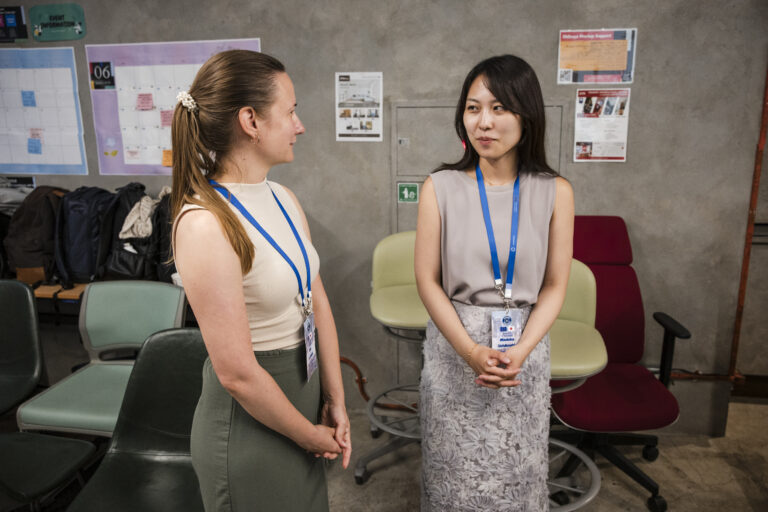

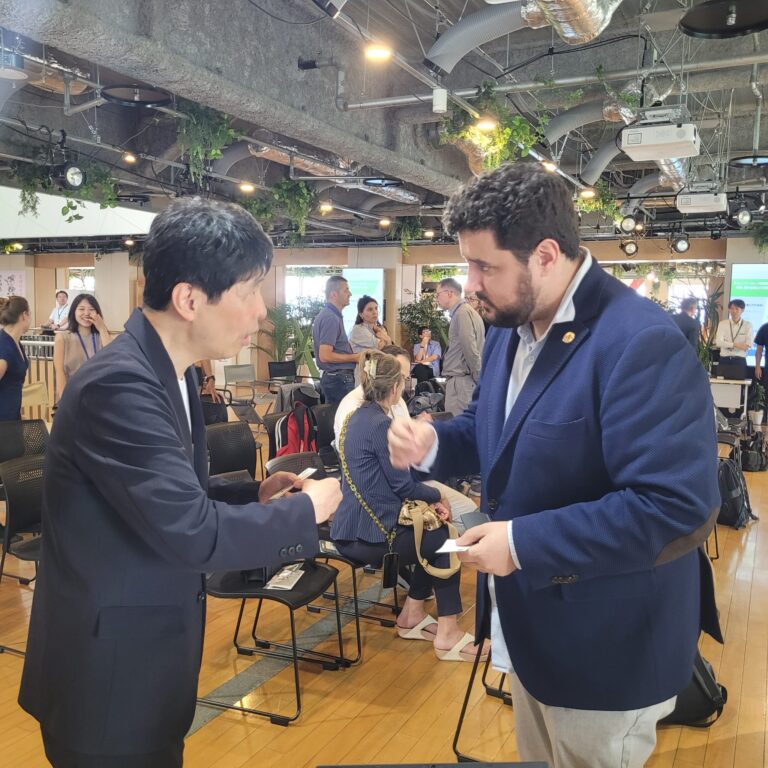

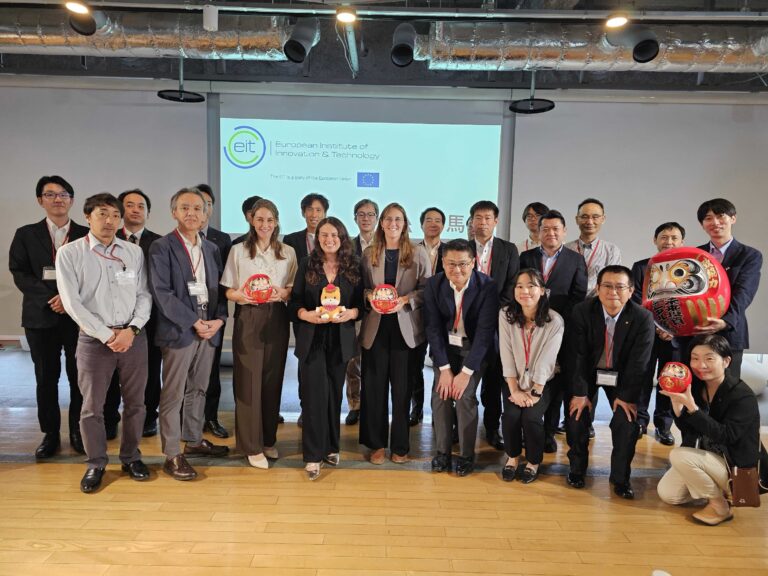
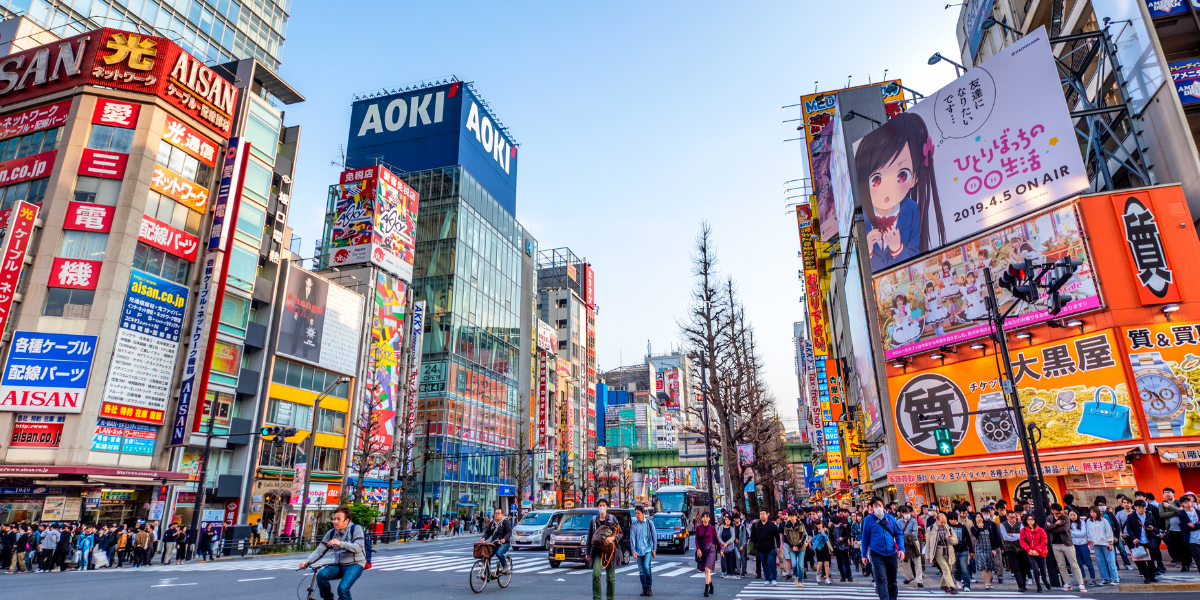





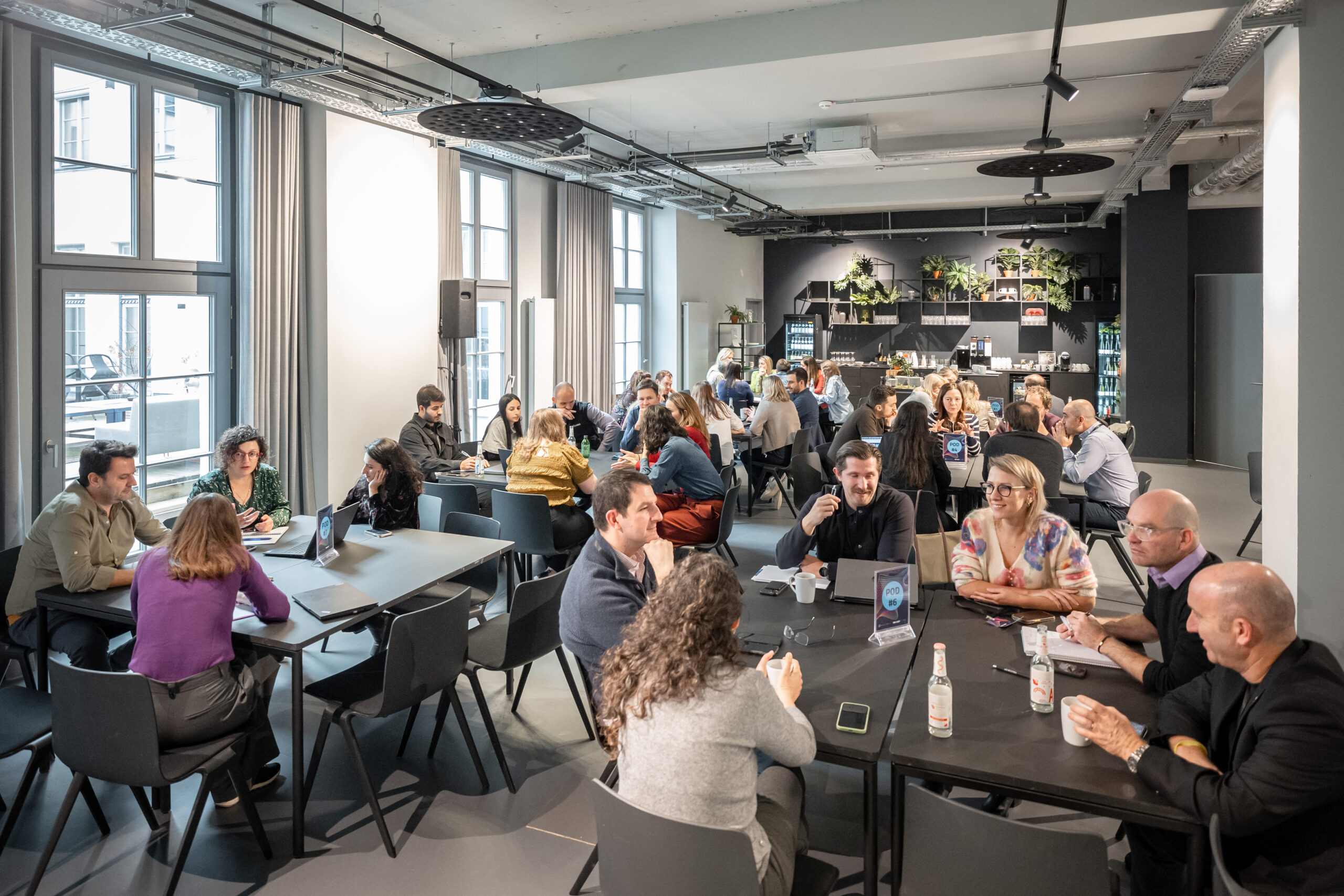
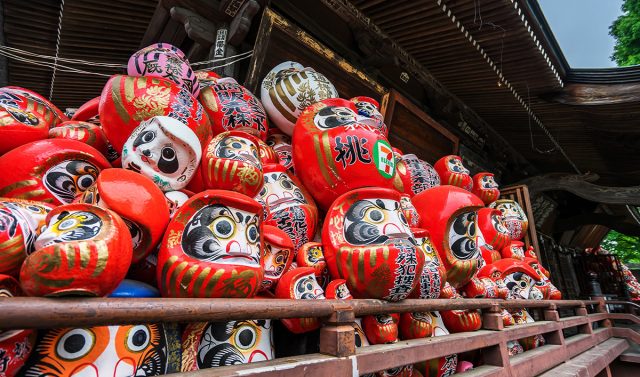
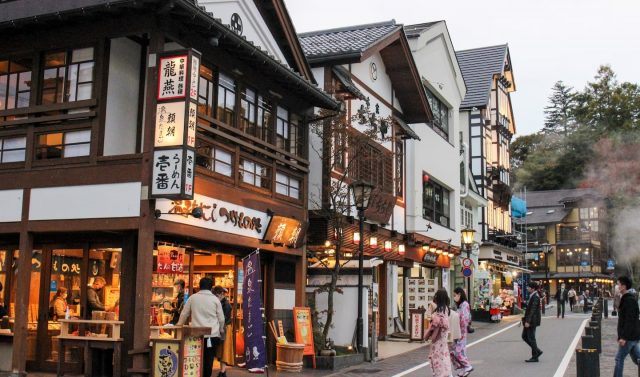
Arrival, orientation, and cultural immersion. Participants will be welcomed with an introduction to Japan’s human, cultural, and geographical landscape to ease local navigation and spark early connections.